Jonathan Hay was drafted by Hawthorn at number four in 1994 as a supremely gifted young defender from Tasmania, with the kind of athletic ability that makes recruiters talk about a decade of dominance.
The career that followed was good but interrupted, and Hay eventually did something that in Australian Rules football in the early 2000s was almost unheard of: he said publicly that he had bipolar disorder.
Quick facts
- Born
- 1976, Tasmania
- Known for
- Hawthorn Football Club defender, AFL; drafted at number four in 1994
- Diagnosis
- Bipolar disorder, discussed publicly during and after his career
- Significance
- Among the first AFL players to speak openly about a psychiatric diagnosis
- Career
- Around 130 senior games before retiring in the mid-2000s
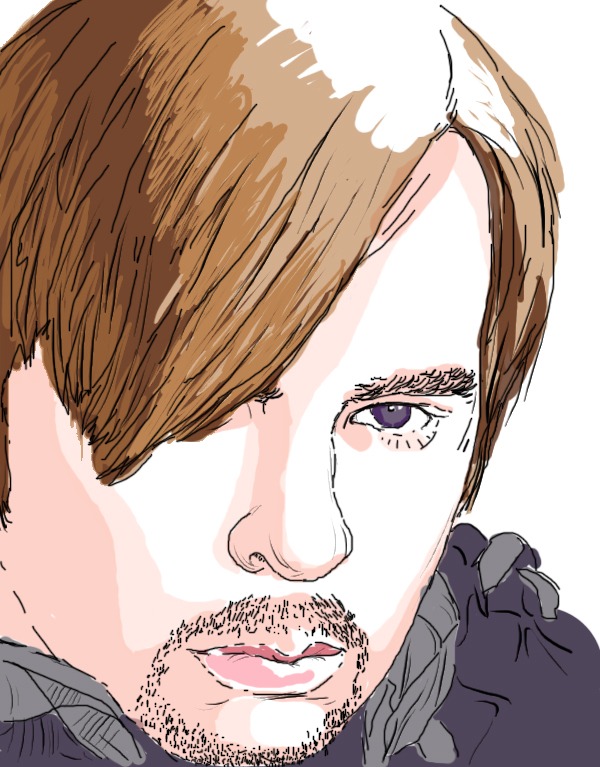
Hawthorn
Hay arrived at Hawthorn with enormous expectations. He was tall, quick, and a natural reader of the play — the kind of key defender who could take the opposition's best forward and also generate attack from the back half.
He played around 130 senior games over roughly a decade, which is a solid AFL career by any measure, but it was consistently understood as less than the ability had promised. Form fluctuated. There were periods out of the side. There were seasons that did not come together.
Australian football is a demanding environment psychologically: intense public scrutiny in the football states, week-to-week performance judged in newspapers, and, in that era, a dressing-room culture in which admitting difficulty was close to unthinkable.
The Diagnosis
Hay was diagnosed with bipolar disorder, and spoke about it publicly — describing the elevated periods, the depressive episodes, and the effect on his football.
The elevated phases are the part that tends to go unnoticed in elite sport. An athlete who is training obsessively, sleeping little, full of confidence and energy, is not obviously a person in trouble — they look like a professional in peak commitment. It is generally only the crash that gets noticed, and by then the pattern has usually been running for some time.
He has also spoken about the interaction with alcohol, which was a substantial part of the football culture of the period.
Why It Mattered
The AFL now has well-developed player wellbeing programmes, mental health officers at clubs, and a steady stream of current and former players who talk openly about depression, anxiety and other conditions. That is a comparatively recent development.
In the early and mid-2000s, none of that infrastructure existed in any serious form. A player who was struggling was described as having form issues or attitude problems. Hay was among a small number of players — along with figures like Wayne Schwass, who spoke about depression, and later Nathan Thompson and others — who broke that silence and made the subsequent structures possible.
Being early is the hard part. The players who talk about mental health in the AFL now do so into a culture that has been prepared for it; the ones who went first did not have that.
Since Football
Hay retired in the mid-2000s and has kept a relatively low public profile since, working outside football and occasionally speaking about mental health.
His is a smaller story than most on this website, and we would argue that is precisely its value. He was not a superstar, did not have a spectacular public collapse, and did not build a second career out of advocacy. He was a professional athlete with a serious illness who said so, in a sport that was not ready to hear it, and then got on with his life.
Frequently Asked Questions
Does Jonathan Hay have bipolar disorder?
Yes. Hay was diagnosed with bipolar disorder and spoke about it publicly, describing both elevated and depressive periods and their effect on his AFL career.
What did Jonathan Hay achieve in the AFL?
He was drafted by Hawthorn at number four in 1994 and played around 130 senior games as a defender over roughly a decade before retiring in the mid-2000s.
Why is elevated mood hard to spot in athletes?
Because it can look like professional dedication. An athlete training obsessively, sleeping little and full of confidence appears to be at peak commitment rather than unwell. The pattern is often only recognised after a depressive crash.
Notes & sources
This article draws on the record of Jonathan Hay's AFL career and on his public statements about his bipolar disorder diagnosis, together with published accounts of the development of mental health support in Australian Rules football.