Rene Rivkin was, for two decades, one of the most recognisable businessmen in Australia — a stockbroker with a fondness for Rolls-Royces, cigars, unusually loud suits and publicity.
He was also a man with bipolar disorder whose final years were conducted almost entirely in public: a criminal conviction, a very visible decline, and a death that prompted a national conversation about how the press and the courts handle mental illness.
Quick facts
- Born
- 1944, Shanghai, China
- Died
- May 1, 2005, Sydney, aged 61
- Known for
- Sydney stockbroker, investor and media figure
- Diagnosis
- Bipolar disorder, discussed publicly, particularly in his final years
- 2003
- Convicted of insider trading; sentenced to periodic detention
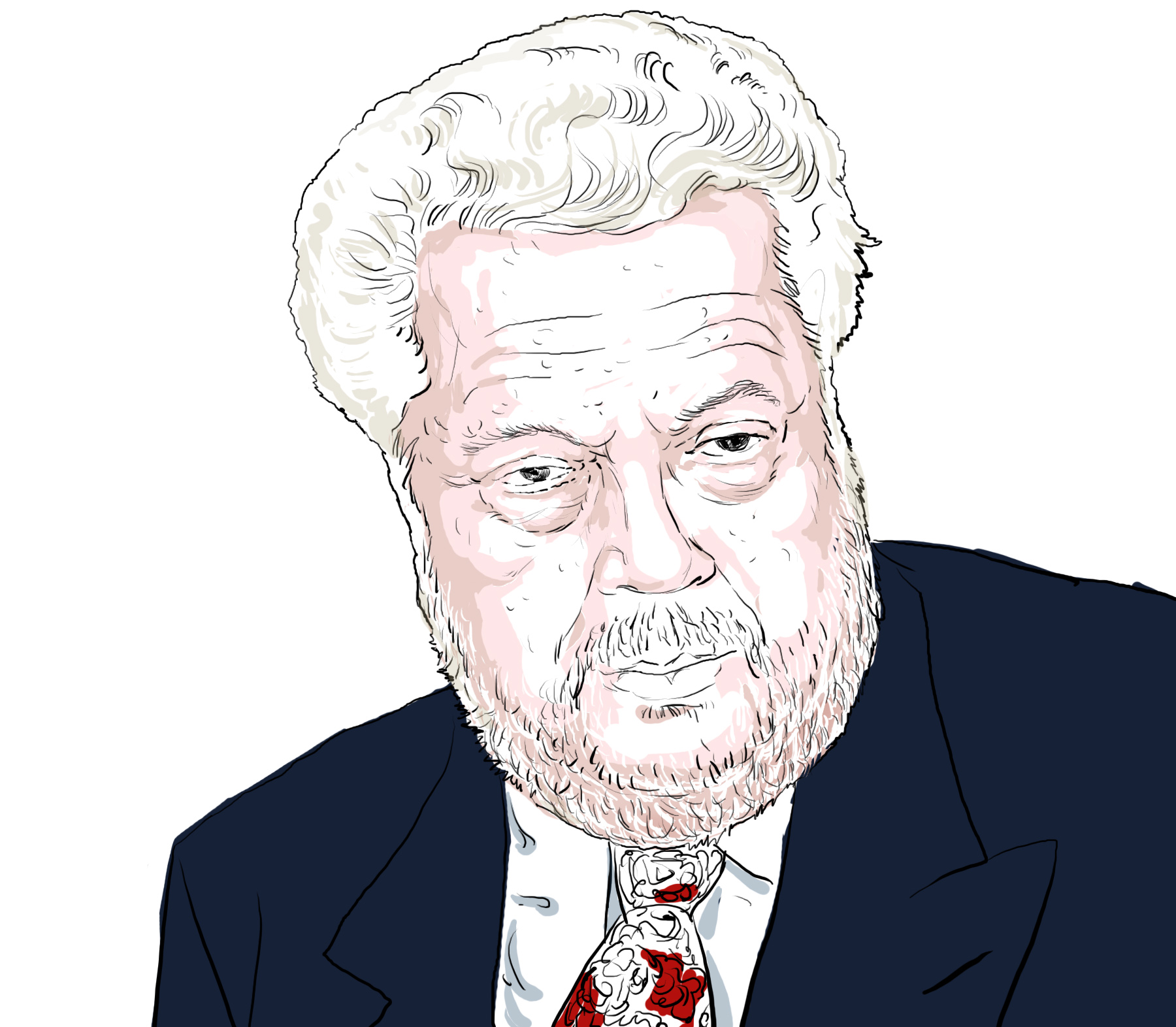
Shanghai to Sydney
Rivkin was born in Shanghai in 1944 to a Russian Jewish family who had fled there, and the family emigrated to Australia when he was a child. He studied law, then went into stockbroking, and by his thirties had built one of the more successful private client operations in Sydney.
He was flamboyant in a way Australian business generally was not, and he cultivated it — the cars, the cigars, the yacht, the newsletter, the radio slots. He was, for a long period, both a serious investor and a piece of entertainment.
The Illness
Rivkin had bipolar disorder, and in his later years he and his family spoke about it publicly.
The pattern described was familiar: periods of enormous energy, confidence and risk appetite — qualities that a trading career rewards handsomely right up until it doesn't — alternating with severe depressive episodes during which he was unable to function.
This is worth pausing on, because Rivkin's field is one where the elevated phase of bipolar disorder can look indistinguishable from professional excellence. Confidence, speed, tolerance for risk and the ability to work without sleep are prized in trading. That makes the illness both harder to spot and, when it turns, considerably more expensive.
The Conviction and Decline
In 2003 Rivkin was convicted of insider trading over a share purchase connected to the Qantas–Impulse Airlines merger. The amount involved was small — a profit of a few thousand dollars — which made the case both notorious and, to many observers, strange. He was sentenced to periodic detention, served on weekends.
He lost his broker's licence. Further investigations followed regarding offshore holdings. The press coverage was relentless and frequently mocking.
His health deteriorated markedly over this period. He had a brain tumour removed in 2004. His mental state, by the accounts of those around him, worsened severely under the combination of legal jeopardy, public humiliation and physical illness.
He died in May 2005, aged sixty-one.
If any of this is close to home, please reach out. Talk to a doctor, a mental health professional, or a crisis line in your country — and emergency services if you're in immediate danger.
What His Case Raised
Rivkin's death prompted a genuine debate in Australia, and the questions it raised have not gone away.
One concerns the justice system: how custodial sentences, even part-time ones, interact with serious mental illness, and whether courts adequately account for the effect of imprisonment and public prosecution on someone with a documented psychiatric condition.
The other concerns the press. The coverage of Rivkin's decline was, by any reasonable standard, cruel, and it continued well past the point where his condition was known. Australian media reporting standards on mental illness have tightened considerably since, and his case is part of why.
Neither question has a comfortable answer, and neither is about whether he was guilty of what he was convicted of. He was. The question is what a society does with a person who has committed an offence and also has a serious illness, and the honest answer in 2003 is: not much thinking.
Frequently Asked Questions
Did Rene Rivkin have bipolar disorder?
Yes. Rivkin had bipolar disorder, and he and his family discussed it publicly, particularly during his final years. He experienced periods of very high energy and confidence alternating with severe depressive episodes.
What was Rene Rivkin convicted of?
He was convicted of insider trading in 2003 over a share purchase connected to the Qantas-Impulse Airlines merger, involving a profit of only a few thousand dollars. He was sentenced to periodic detention and lost his broker's licence.
Why is Rene Rivkin's case significant?
His decline and death prompted debate in Australia about how the justice system handles defendants with serious mental illness, and about press treatment of people who are visibly unwell. Australian media reporting standards on mental health have tightened considerably since.
Notes & sources
This article draws on contemporaneous Australian reporting of Rene Rivkin's career, his 2003 conviction and his death, and on public statements by Rivkin and his family regarding his bipolar disorder.