In May 2006, Congressman Patrick Kennedy crashed his car into a barrier near the Capitol at around three in the morning. Rather than manage the story, he did something almost unheard of in American politics: he called a press conference, said he had bipolar disorder and an addiction, and went into treatment.
Two years later he co-authored the law that requires American health insurers to cover mental health and addiction treatment on the same terms as physical illness. It is arguably the single most consequential piece of mental health legislation in American history, and it exists in part because of what he was willing to say about himself.
Quick facts
- Born
- Patrick Joseph Kennedy II, July 14, 1967, Brighton, Massachusetts
- Known for
- US Representative for Rhode Island, 1995–2011; son of Senator Edward Kennedy
- Diagnosis
- Bipolar II disorder, alongside addiction; disclosed publicly in 2006
- Landmark
- Co-author of the Mental Health Parity and Addiction Equity Act (2008)
- Memoir
- A Common Struggle (2015)
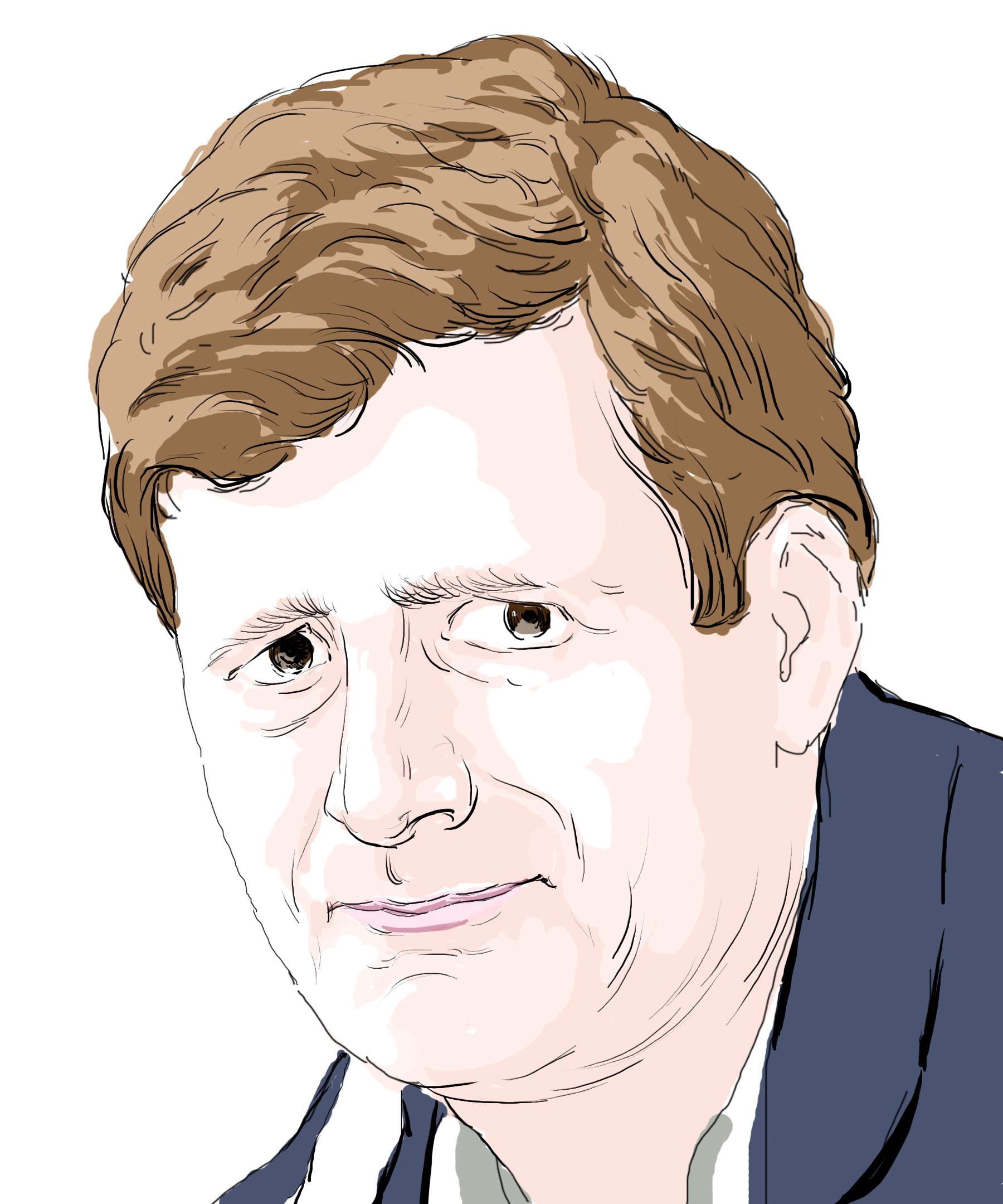
The Family
Patrick Kennedy is the youngest son of Senator Edward Kennedy and the nephew of President John F. Kennedy and Senator Robert Kennedy. He was born in 1967, the year before his uncle Robert was assassinated.
He has written with striking candour about a childhood in which extraordinary public expectation coexisted with a family that did not discuss anything difficult. He has described his mother's alcoholism, his father's drinking, and an unspoken household rule against acknowledging any of it. He was also chronically ill as a child with severe asthma, and has said he was prescribed medications from a young age.
He began using substances as a teenager, and entered treatment for the first time at seventeen.
He was elected to the Rhode Island state legislature at twenty-one and to the US House of Representatives at twenty-seven.
May 2006
By 2006 Kennedy was a senior congressman with a long-standing but private struggle. He crashed his car near the Capitol in the early hours, telling officers he was late for a vote. There was no vote.
The story could have been managed conventionally. Instead he stated publicly that he had been receiving treatment for bipolar disorder and for addiction to prescription painkillers, and admitted himself to the Mayo Clinic.
He has written since that the decision was not primarily courageous but exhausted — that he had reached the point where continuing to conceal it was harder than disclosing it. He has also been clear that being a Kennedy afforded him protections that most people in his position do not have.
He was diagnosed with bipolar II disorder, a form of the illness characterised by hypomanic episodes — elevated periods that are real and impairing but less extreme than full mania — alternating with depressive episodes that are often severe and prolonged. Bipolar II is frequently misdiagnosed as unipolar depression precisely because the hypomania is easy to miss or to mistake for productivity.
The Parity Act
Kennedy's legislative achievement is the reason he matters far beyond his own story.
The Mental Health Parity and Addiction Equity Act, passed in 2008 and co-authored with Republican Jim Ramstad — himself in recovery from alcoholism — requires that group health plans covering mental health and substance use treatment do so on terms no more restrictive than those applied to medical and surgical care.
Before it, American insurers routinely imposed separate and far harsher limits on psychiatric care: lower caps on visits, higher co-payments, shorter inpatient stays. The practical effect was that a person with bipolar disorder and a person with diabetes carrying identical policies received substantially different levels of coverage.
The Act was signed by President George W. Bush. His father, Senator Edward Kennedy, had worked on the issue for decades; Patrick has written about finishing that work as one of the last things they did together.
Enforcement has been an ongoing fight ever since, and Kennedy has spent his post-congressional career on it.
After Congress
Kennedy did not seek re-election in 2010, saying he wanted to focus on advocacy and on his own recovery. He has been sober since 2011.
He founded the Kennedy Forum, which works on parity enforcement and mental health policy, co-founded One Mind for brain research, and published A Common Struggle in 2015 — a memoir combining his own history with a policy argument. The book was not universally welcomed within his family, given how directly it discusses his parents, and he has acknowledged that cost.
He has served on federal commissions on addiction policy and remains one of the most prominent mental health advocates in the United States.
Legacy
Kennedy's political career was respectable rather than remarkable. His significance is entirely in what he did with it.
He is the clearest demonstration on this website of what disclosure can accomplish when it is attached to power. Carrie Fisher changed the culture; Patrick Kennedy changed the statute book. If you have American health insurance and your mental health treatment is covered on the same basis as your physical health treatment, that is substantially because a congressman decided to tell the truth about a car crash.
Frequently Asked Questions
Does Patrick Kennedy have bipolar disorder?
Yes. He has bipolar II disorder alongside a history of addiction, and disclosed both publicly in May 2006 following a car crash near the US Capitol, after which he entered treatment at the Mayo Clinic.
What is bipolar II disorder?
A form of bipolar disorder characterised by hypomanic episodes - elevated periods that are genuine and impairing but less extreme than full mania - alternating with depressive episodes that are often severe and prolonged. It is frequently misdiagnosed as ordinary depression because the hypomania is easily missed or mistaken for productivity.
What is the Mental Health Parity and Addiction Equity Act?
A 2008 US law co-authored by Kennedy and Jim Ramstad requiring that health plans covering mental health and substance use treatment do so on terms no more restrictive than those applied to medical and surgical care. Before it, insurers routinely imposed far harsher limits on psychiatric coverage.
Notes & sources
This article draws on Patrick Kennedy's memoir A Common Struggle, his public statements following the May 2006 incident, and the legislative record of the Mental Health Parity and Addiction Equity Act of 2008.