Mel Gibson has said publicly that he has bipolar disorder. He is also a person whose recorded conduct includes an antisemitic tirade during a 2006 arrest and a set of recordings released in 2010 containing racist abuse and threats directed at the mother of his child.
Both of those things are true, and this page is going to hold them together rather than pick one. Bipolar disorder is an illness that a great many decent people live with, and it does not make anyone say those things. Treating a diagnosis as an explanation for bigotry insults everyone who has it.
Quick facts
- Born
- Mel Colmcille Gerard Gibson, January 3, 1956, Peekskill, New York
- Known for
- Mad Max, Lethal Weapon, Braveheart (two Oscars, 1996)
- Diagnosis
- Gibson has stated publicly that he has bipolar disorder
- Also documented
- Alcoholism, and a 2006 DUI arrest with an antisemitic tirade
- Note
- Nothing on this page is offered as an excuse for his conduct
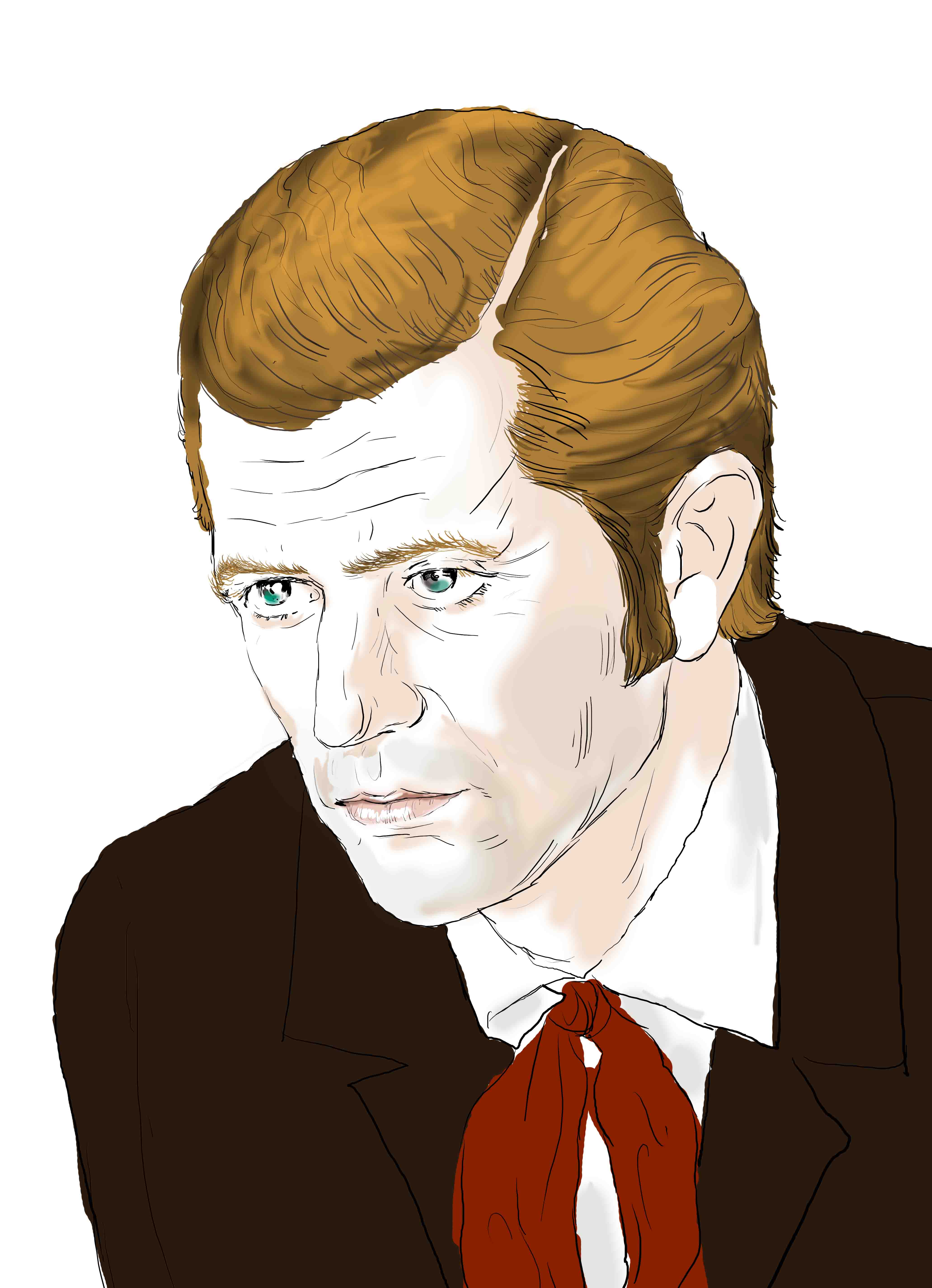
New York to Australia
Gibson was born in Peekskill, New York in 1956, one of eleven children in a devoutly traditionalist Catholic family. When he was twelve the family moved to Australia — a decision his father has said was influenced by opposition to the Vietnam draft.
He trained at NIDA in Sydney and was cast in Mad Max in 1979, which made him a star in Australia; Gallipoli and The Year of Living Dangerously established him as a serious actor; and Lethal Weapon in 1987 made him a global one.
In 1995 he directed and starred in Braveheart, winning Academy Awards for Best Director and Best Picture. In 2004 he financed and directed The Passion of the Christ, which became one of the highest-grossing independent films ever made and generated substantial controversy over its portrayal of Jewish characters.
The Diagnosis
Gibson has spoken in interviews about having been diagnosed with bipolar disorder, describing periods of very high energy and confidence alternating with severe depression, including a period in his mid-thirties when he has said he contemplated suicide.
He has also been open about long-term alcoholism dating back to his teens, and has described drinking as something he had done heavily for most of his adult life before seeking treatment.
As with several people on this website, the two are difficult to separate. Chronic heavy drinking produces mood instability, depression and impulsivity on its own, and Gibson's account of his own history includes both problems running concurrently for decades.
2006 and 2010
In July 2006 Gibson was arrested for drink-driving in Malibu. During the arrest he directed an antisemitic tirade at the arresting officer, including the claim that Jewish people were responsible for all the wars in the world. He apologised, described himself as having been in the grip of alcoholism, met with Jewish community leaders, and entered treatment.
In 2010, recordings of phone calls between Gibson and Oksana Grigorieva, the mother of his daughter, were released. They contain racist language, misogynistic abuse and explicit threats. He later pleaded no contest to a misdemeanour battery charge in a plea agreement. He has described that period as the lowest of his life.
He was substantially frozen out of Hollywood for a period and has since worked steadily again, receiving a Best Director nomination for Hacksaw Ridge in 2017.
The Distinction That Matters
We want to be precise about something, because pages like this one are frequently used to blur it.
Bipolar disorder causes mood episodes. In mania it can cause disinhibition, irritability, grandiosity and impaired judgement — people say and do things during manic episodes that they would not otherwise do, and that is genuinely part of the illness. Alcohol does something similar and worse.
What neither does is install a belief. Disinhibition removes the filter on what is already there; it does not write the content. Someone with bipolar disorder who is not antisemitic does not become antisemitic during a manic episode, and there is a very large population of people with this diagnosis who go their whole lives without saying anything remotely like what Gibson said.
This matters directly to readers of this site. Every time a public figure's bigotry or violence is attributed to a psychiatric diagnosis, the people who actually carry that diagnosis pay for it — in how they are perceived at work, in custody hearings, in whether they disclose to anyone. People with mental illness are, statistically, far more likely to be victims of violence than perpetrators of it.
Gibson has bipolar disorder. Gibson said those things. The first does not account for the second.
Legacy
Gibson's filmography is substantial — Mad Max, the Lethal Weapon films, Braveheart, Hacksaw Ridge — and his standing as a director survived his standing as a public figure.
He is on this website because he has stated that he has the condition the website is about, and because readers search for it. He is not here as an example to follow, and we would point anyone looking for one toward Patty Duke, Maurice Benard, Stephen Fry or Kay Redfield Jamison instead.
Frequently Asked Questions
Does Mel Gibson have bipolar disorder?
He has stated in interviews that he was diagnosed with bipolar disorder, describing alternating periods of very high energy and severe depression. He has also spoken about long-term alcoholism, which complicates the clinical picture.
Did bipolar disorder cause Mel Gibson's antisemitic comments?
No. Mania and intoxication can remove inhibition, but they do not create beliefs that were not already present. The overwhelming majority of people with bipolar disorder never say anything comparable. Attributing bigotry to a psychiatric diagnosis is both inaccurate and damaging to everyone who carries that diagnosis.
What happened in 2006 and 2010?
In 2006 Gibson was arrested for drink-driving and directed an antisemitic tirade at the arresting officer, after which he apologised and entered treatment. In 2010, recordings of calls with the mother of his daughter were released containing racist and misogynistic abuse and threats; he later pleaded no contest to a misdemeanour battery charge.
Notes & sources
This article draws on interviews in which Mel Gibson discussed his diagnosis and alcoholism, and on contemporaneous reporting and court records relating to the 2006 arrest and the 2010 recordings and subsequent plea.