Carrie Fisher gets the credit, and deserves it. But Patty Duke went first — by nearly a decade, and into a far more hostile environment.
In 1987, a former child star and Oscar winner published a memoir stating plainly that she had manic depression, described what it had done to her life, and then spent the next thirty years touring the country talking about it to anyone who would listen. She testified before Congress. She was, for a generation of Americans, the face of the illness.
Quick facts
- Born
- Anna Marie Duke, December 14, 1946, Elmhurst, New York
- Died
- March 29, 2016, Coeur d'Alene, Idaho, aged 69
- Known for
- The Miracle Worker (Oscar at 16); The Patty Duke Show
- Diagnosis
- Manic depression, diagnosed 1982; disclosed publicly in 1987
- Books
- Call Me Anna (1987) and A Brilliant Madness (1992)
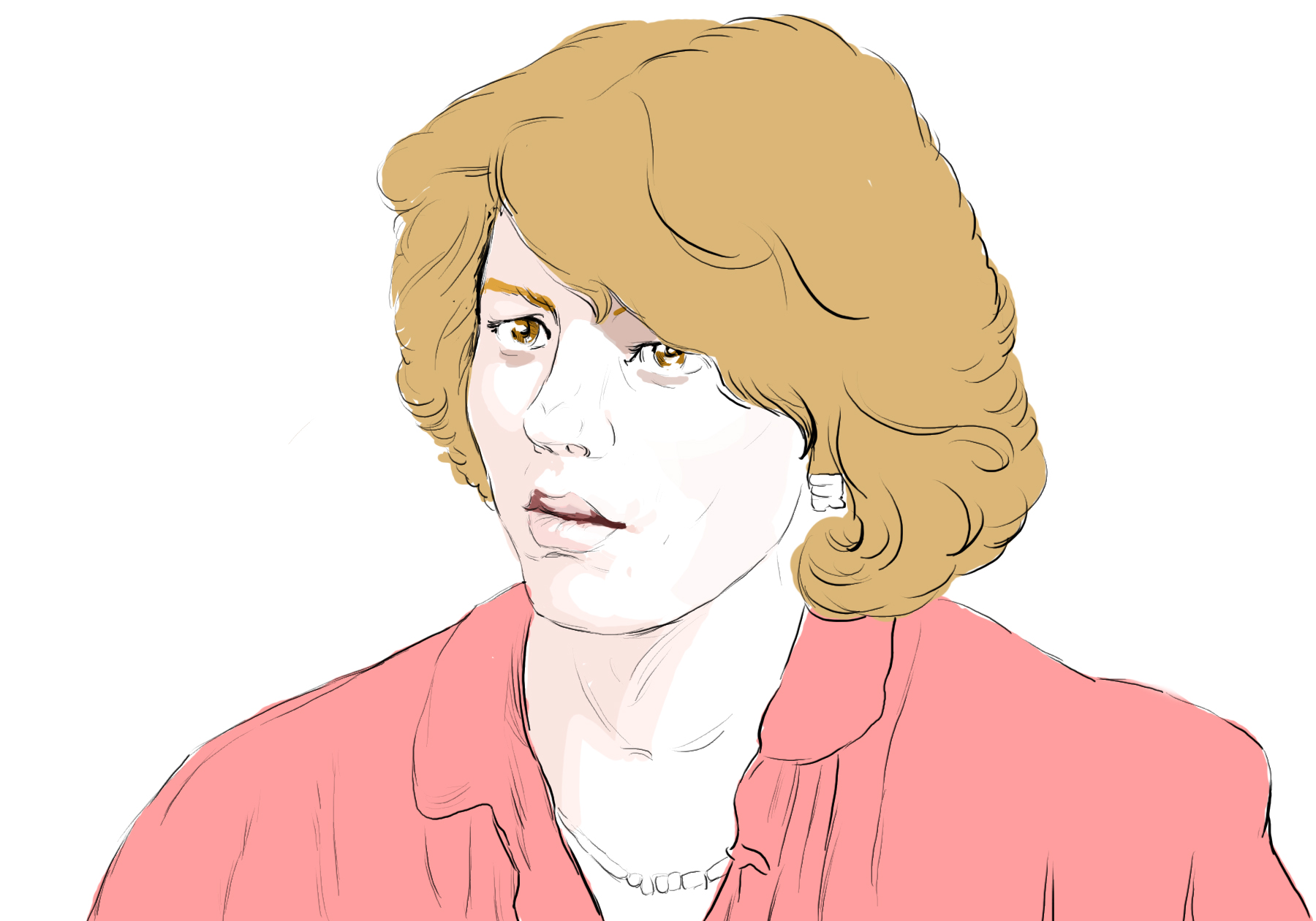
Anna Marie
Anna Marie Duke's childhood is one of the most disturbing in the history of American entertainment, and she wrote about it in detail in Call Me Anna.
At eight she was effectively handed over to a pair of managers, John and Ethel Ross, who took control of her life almost completely. They changed her name — telling her, in a line she used as her book's title, that Anna Marie was dead and she was Patty now. They separated her from her family, controlled her earnings, and by her account supplied her with alcohol and prescription drugs while she was still a child.
She won the Academy Award for Best Supporting Actress in 1963 for playing Helen Keller in The Miracle Worker, at sixteen. She was then the youngest person ever to win a competitive Oscar. The Patty Duke Show ran for three seasons, with her playing identical cousins.
By her own account she reached adulthood with no idea how to run a life and no money to run it with.
Two Decades Undiagnosed
Duke's twenties and thirties were chaotic in a way that was reported extensively and understood by nobody.
There were manic episodes involving enormous spending, impulsive marriages — one lasting thirteen days — and behaviour on sets that made her difficult to employ. There were severe depressive collapses, suicide attempts, and long periods of being unable to function. She was drinking, and using prescription drugs she had been given since childhood.
She won three Emmys during this period, which is worth noting: the work continued to be extraordinary in the intervals.
She was not diagnosed until 1982, when she was thirty-five, after a psychiatrist finally recognised the pattern. She was prescribed lithium, and she has described the effect as the beginning of an actual life.
1987: Saying It Out Loud
Duke published Call Me Anna in 1987 and disclosed her diagnosis in it. Five years later she published A Brilliant Madness, co-written with a medical journalist, which combined her personal account with clinical information about manic depression — effectively a memoir and a patient handbook in one volume.
It is difficult now to convey what that took. In 1987 there was no public vocabulary for this. AIDS was being discussed with more openness than psychiatric illness. Actors did not disclose mental health diagnoses because it ended careers, and hers was not a secure career to gamble.
She did it anyway, and then kept going: television appearances, lecture tours, decades of speaking to community groups and hospitals, and testimony before Congress in support of mental health legislation and research funding. She served two terms as president of the Screen Actors Guild.
She was also, unusually for the era, entirely unembarrassed about medication. She talked about lithium constantly and by name, described it as the thing that gave her a marriage and a career and a relationship with her children, and rejected the idea that treatment cost her anything worth keeping.
Later Life
Duke married Michael Pearce in 1986, and the marriage lasted until her death thirty years later. She lived quietly in Idaho, worked steadily in television, and raised her sons — including the actor Sean Astin, who has written about growing up with a mother whose illness was untreated for his early childhood and treated thereafter.
She continued acting into her sixties, and appeared in a public service campaign encouraging people to seek help.
She died in March 2016 of sepsis following a ruptured intestine, aged sixty-nine.
Legacy
Duke's acting legacy is secure — the Oscar at sixteen, three Emmys, and a performance as Helen Keller that is still shown to drama students.
Her real monument is less visible. Every celebrity disclosure of bipolar disorder since 1987 has been easier because she went first, into a culture that had no framework for it and every reason to punish her for it. She spent the second half of her life doing unglamorous, repetitive advocacy work — church halls, hospital wards, congressional committees — long after she had made her point.
And she demonstrated the outcome that this website exists to point at: diagnosed at thirty-five after two ruined decades, treated, then thirty-four more years of work, marriage and family. That is the story, and she told it to anyone who would sit still.
Frequently Asked Questions
Did Patty Duke have bipolar disorder?
Yes. She was diagnosed with manic depression in 1982 at the age of 35 and treated with lithium. She disclosed the diagnosis publicly in her 1987 memoir Call Me Anna and spent the rest of her life as an advocate.
What did Patty Duke do for mental health advocacy?
She was the first major American star to publicly disclose a manic depression diagnosis, published two books about it including A Brilliant Madness, toured extensively speaking to community and hospital groups, and testified before Congress in support of mental health legislation and research funding.
How did Patty Duke die?
She died on 29 March 2016, aged 69, of sepsis following a ruptured intestine.
Notes & sources
This article draws on Patty Duke's memoirs Call Me Anna and A Brilliant Madness, interviews she gave over three decades of advocacy work, and public reporting of her career and death.