Tom Waits appears on a number of lists of famous people with bipolar disorder. We can find no basis for it whatsoever, and this is going to be a short page, because the honest version is short.
Waits is among the most guarded major artists of the last fifty years. He does not discuss his private life, has spent decades giving interviews in which he answers questions with tall tales and jokes, and has never said anything about his mental health.
Quick facts
- Born
- Thomas Alan Waits, December 7, 1949, Pomona, California
- Known for
- Rain Dogs, Swordfishtrombones; acting in Jarmusch and Coppola films
- Diagnosis
- None reported — and Waits has never discussed his mental health
- Sober since
- 1992, by his own account
- Why he's listed
- Appears on many bipolar lists with no supporting evidence we can find
The Persona Problem
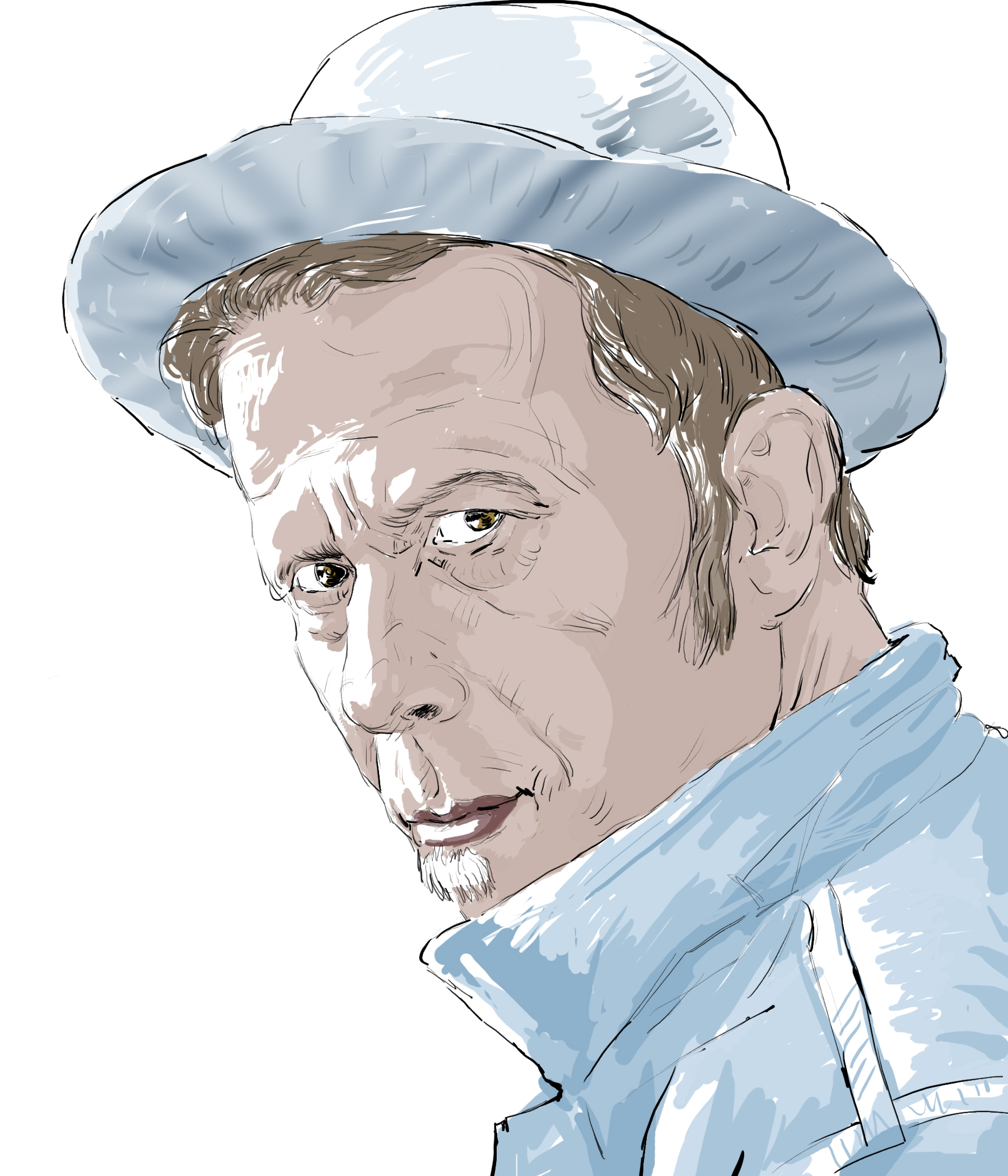
The likeliest explanation for the listing is that people have mistaken the character for the man.
The Tom Waits of the records — the growling barfly, the derelict romantic, the carnival barker — is a construction, and a deliberate one. Waits has been open about this in the limited way he is open about anything, describing his early performing self as a persona he built and then found difficult to climb out of.
The actual man has been married to Kathleen Brennan since 1980, has three children, has co-written most of his best work with his wife, and has lived quietly in rural Northern California for decades. He gave up drinking in 1992. That is one of the more stable careers in American music, conducted almost entirely out of public view.
The Work
Waits' early records, from Closing Time (1973) onward, were piano-led and jazz-inflected. Then in 1983 came Swordfishtrombones, and a complete reinvention — junkyard percussion, marimba, distorted horns, and a vocal approach that sounded like it was recorded through a wall. Rain Dogs (1985) is generally regarded as the peak.
He has also had a substantial acting career, appearing for Coppola, Altman, Jarmusch and Terry Gilliam, and he is a considerable screen presence in his own right.
He was inducted into the Rock and Roll Hall of Fame in 2011.
So Is Tom Waits Bipolar?
We have no idea, and neither does anyone else writing these lists.
Waits has never reported a diagnosis. There are no credible accounts from collaborators describing mood episodes. His documented history — a long marriage, a consistent creative partnership, sustained sobriety, decades of steady output, and a determined refusal to be a public personality — contains nothing that suggests untreated bipolar disorder.
It is also worth saying that he is entitled to his privacy. There is something faintly grotesque about assembling a psychiatric profile of a living man from his album covers, and we are not going to do it. If Tom Waits ever wants to talk about his mental health, he will.
Until then, the accurate answer is: no evidence, and none of our business.
Frequently Asked Questions
Is Tom Waits bipolar?
There is no evidence that he is. Waits has never reported a diagnosis or discussed his mental health, and no credible accounts from collaborators describe mood episodes. He appears on some bipolar lists, but we can find no basis for the claim.
Why does Tom Waits appear on bipolar lists?
Most likely because his artistic persona - the growling, derelict, carnival-barker character of his records - has been mistaken for the man. Waits has described that persona as a deliberate construction, and his actual life has been notably private and stable.
Is Tom Waits still recording?
He continues to work, though he releases infrequently and rarely gives interviews. He was inducted into the Rock and Roll Hall of Fame in 2011.
Notes & sources
This article draws on the limited interviews Tom Waits has given and on public biographical information. We have found no statement by Waits or credible account from anyone close to him regarding a psychiatric diagnosis, and this page reflects that absence.