Jane Pauley was one of the most trusted broadcasters in America — thirteen years on Today, then Dateline — and had no history of mental illness until she was fifty.
Then a doctor prescribed a corticosteroid for a case of hives, and within weeks her life came apart. She was diagnosed with bipolar disorder in 2001, hospitalised, and in 2004 wrote a book about it. Her case is one of the most instructive on this website, because it demolishes the assumption that this illness announces itself early.
Quick facts
- Born
- October 31, 1950, Indianapolis, Indiana
- Known for
- Today co-host 1976–89; Dateline NBC; host of CBS Sunday Morning
- Diagnosis
- Bipolar disorder, diagnosed 2001 at the age of 50
- Trigger
- A steroid prescribed for hives appears to have precipitated the episode
- Memoir
- Skywriting: A Life Out of the Blue (2004)
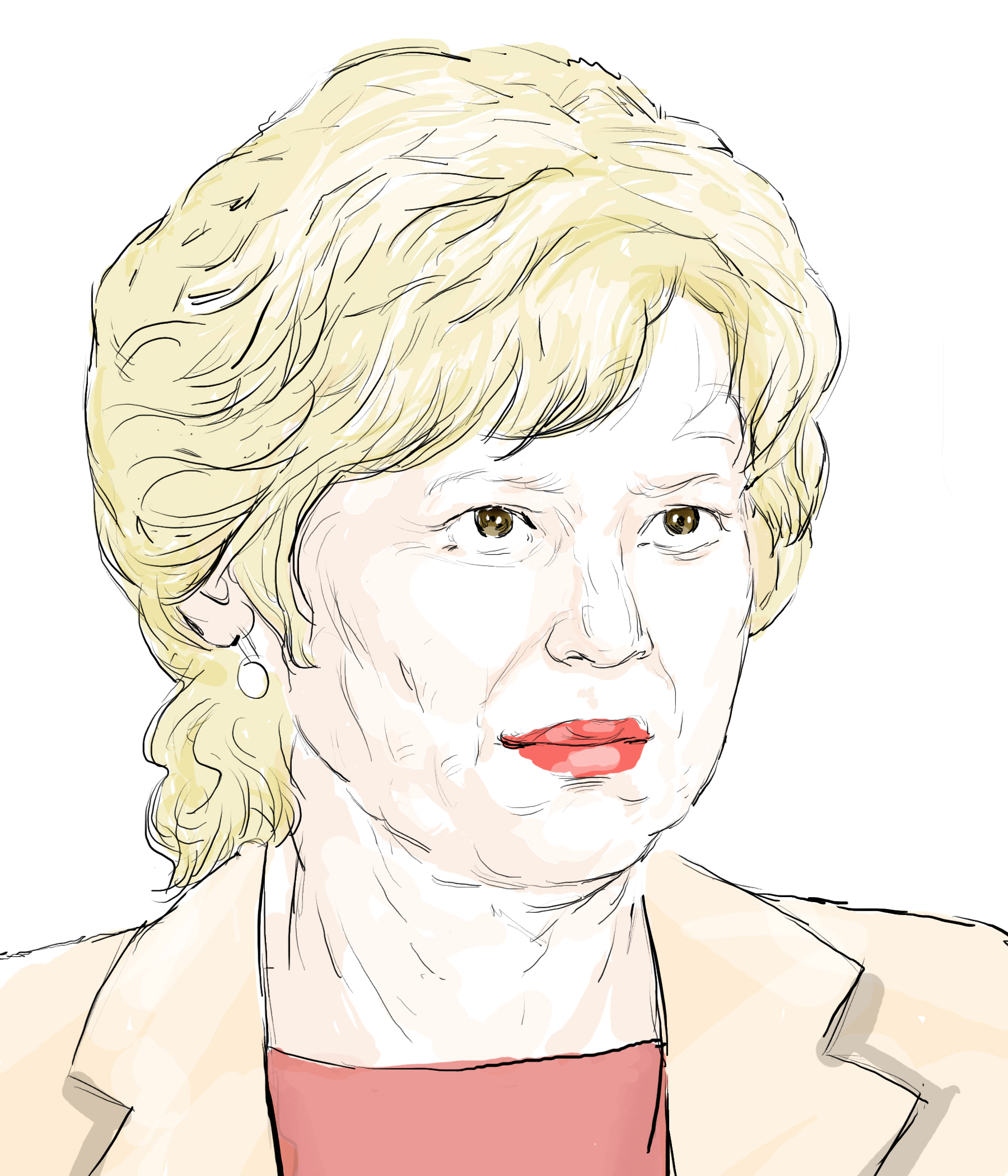
Thirteen Years at the Top
Pauley grew up in Indiana and got her break with astonishing speed: she joined NBC's Today programme in 1976 at twenty-five, succeeding Barbara Walters, and co-hosted alongside Tom Brokaw and later Bryant Gumbel for thirteen years.
Her departure in 1989, when NBC brought in the younger Deborah Norville, became a national news story in itself and a moment in the long argument about how television treats women as they age. Pauley moved to Dateline NBC, which she co-anchored for over a decade.
She married the cartoonist Garry Trudeau, creator of Doonesbury, in 1980. They have three children.
2001
In 2001, Pauley developed hives and was prescribed a corticosteroid. Steroids are known to be capable of triggering psychiatric symptoms — including elevated mood, agitation, insomnia and, in a minority of patients, full manic or psychotic episodes.
What followed, by her account, was a rapid escalation: she felt extraordinary, then unstoppable, then unwell. She was subsequently prescribed an antidepressant, which appears to have made things worse — a well-documented risk in bipolar disorder, where antidepressants given without a mood stabiliser can precipitate or worsen mania.
She was hospitalised, and diagnosed with bipolar disorder at fifty.
She has been open about the difficulty of accepting it, and about what it meant professionally: she was a network news anchor whose entire value rested on being reliable and steady, receiving a diagnosis with a reputation for the opposite.
Skywriting
Pauley disclosed her diagnosis publicly in 2004, in her memoir Skywriting: A Life Out of the Blue and in accompanying interviews.
The response was substantial, and the reason is worth naming. Pauley was not a rock star or a comedian — roles the public half-expects to come with instability. She was the person Americans had watched over breakfast for thirteen years, chosen precisely for her steadiness. When she said she had bipolar disorder, it broke the association between the illness and a particular kind of chaotic public personality.
She has since worked as a mental health advocate, and continued a distinguished broadcasting career — hosting her own daytime programme, returning to NBC News, and since 2016 anchoring CBS Sunday Morning, one of the most respected programmes in American television.
Why Her Case Matters
Three things make Pauley unusually useful to readers here.
Late onset is possible. Bipolar disorder typically emerges in the late teens and twenties, and a great many people assume that reaching middle age without it means they are in the clear. Pauley was fifty, with no prior psychiatric history.
Medications can precipitate it. Corticosteroids are widely prescribed for asthma, allergies, autoimmune conditions and inflammation, and their psychiatric effects are real and underdiscussed with patients. Anyone experiencing marked mood or sleep changes after starting a steroid should raise it with their doctor promptly rather than assuming it is unrelated.
Antidepressants alone can make bipolar disorder worse. This is one of the most important practical facts in the field and it recurs across this website — in Patricia Cornwell's story, in Van Damme's, and here. It is the main reason getting the diagnosis right matters more than getting it quickly.
Pauley's outcome is also worth stating plainly: diagnosed at fifty, treated, and then more than two decades of continuous high-profile work.
Frequently Asked Questions
Does Jane Pauley have bipolar disorder?
Yes. She was diagnosed in 2001 at the age of 50, following an episode that appears to have been triggered by a corticosteroid prescribed for hives. She disclosed the diagnosis publicly in her 2004 memoir Skywriting.
Can steroids trigger bipolar disorder?
Corticosteroids are known to be capable of causing psychiatric effects including elevated mood, agitation, insomnia and, in a minority of patients, full manic or psychotic episodes. Anyone experiencing marked mood or sleep changes after starting a steroid should raise it with their doctor.
Can bipolar disorder start later in life?
Yes. It most commonly emerges in the late teens and twenties, but later onset does occur, as Pauley's case at fifty demonstrates. Late-onset presentations also warrant investigation for medical or medication-related causes.
Notes & sources
This article draws on Jane Pauley's memoir Skywriting: A Life Out of the Blue, interviews she has given about her diagnosis, and her documented broadcasting career.